
Vertical Drama’s Next Frontier: Africa’s Emerging Opportunity
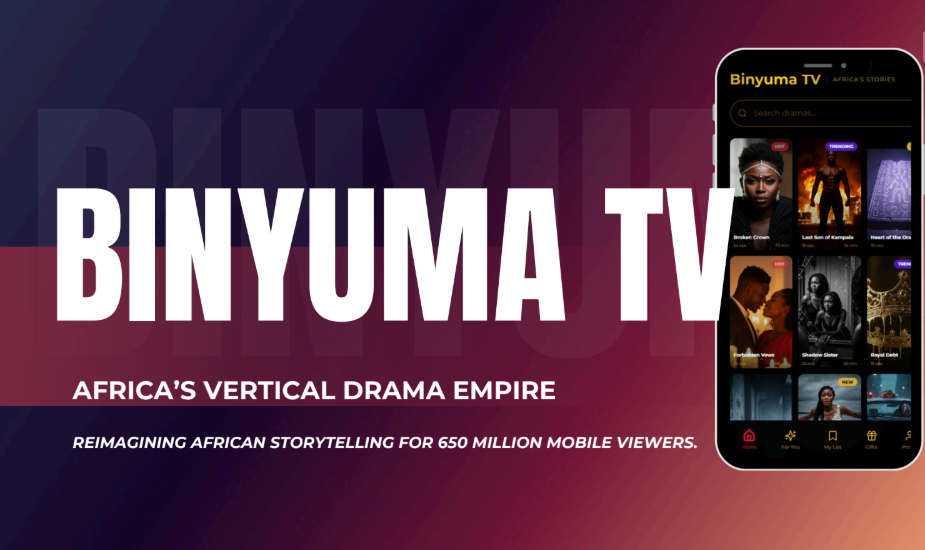
Vertical dramas — short, episodic stories filmed in a vertical format for mobile viewing — have become a significant part of the global entertainment landscape over the past few years. Originating in Asia, particularly China, the format has since expanded rapidly into the United States and Europe, with dedicated apps, growing investment, and clearly defined audience habits.
What is less often discussed is that these same vertical dramas are already being widely watched across Africa — despite being produced almost entirely outside the continent.
This gap between consumption and creation is where a new opportunity is beginning to take shape.
What African Audiences Are Watching Now
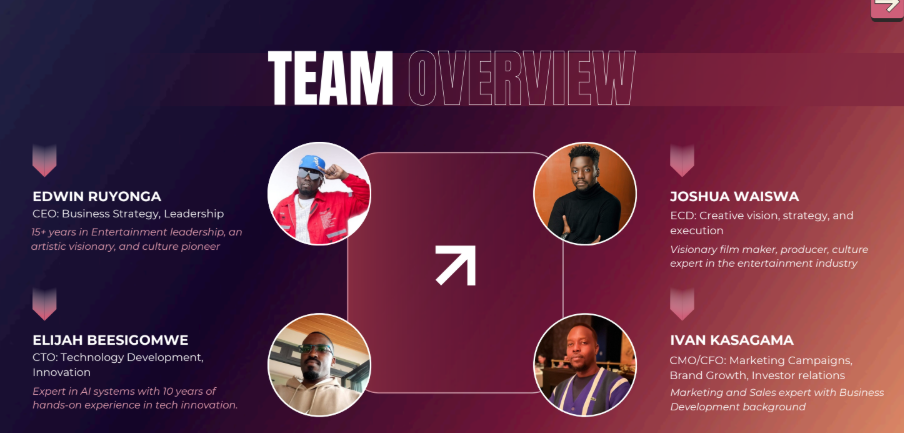
Ugandan artist and media creative Edwin Ruyonga describes encountering vertical dramas long before he actively sought them out.
“I think I first got introduced to the medium without realising it. I kept seeing these ads on YouTube and Facebook. At first I didn’t pay them much attention — then I realised they were everywhere.”
What stood out wasn’t just how frequently these dramas appeared, but how often people around him were watching them.
“I’d go to the barbershop — someone’s watching them. I’d go to a café — someone’s watching them. You could always hear one playing somewhere.”
The content itself was varied but clearly identifiable. Edwin noticed Asian-made vertical dramas first, particularly through social media ads and Facebook video. Soon after, European productions appeared in large numbers, followed by American series. What he did not see was any vertical drama produced in Africa.
“I didn’t see one representative from where I’m from. Not one.”
A Mobile-First Viewing Habit
This absence is notable because African audiences are already well suited to mobile-native storytelling.
In many countries, cinema-going is relatively expensive and limited by geography. Streaming platforms exist, but they still require focused viewing time and reliable data access. Mobile phones, by contrast, are central to everyday life — not only for entertainment, but for communication and financial transactions.
Ivan Kasagama, who works in business development and fundraising, points out that this makes vertical drama particularly well aligned with African viewing habits.
“More people are watching things on their phones than going to the cinema. Going to the movies is a luxury for a lot of people, but phones are already part of daily life.”
He also highlights how comfortable African audiences already are with mobile payments, thanks to mobile banking services like M-Pesa.
“From mobile money to paying for services on phones, the behaviour is already there. That’s important when you’re talking about mobile-based entertainment.”
A Format Creators Already Understand
Another key factor is the existing creator ecosystem. Across TikTok, Instagram Reels, and YouTube Shorts, African creators are already producing scripted, character-driven content — often with recurring roles and ongoing storylines.
“People are already making skits. They’re already scripting. The only difference is that it’s usually a one-off,” Ivan explains.
Vertical drama extends that same skill set into episodic storytelling. Instead of isolated clips, creators can build longer narratives that encourage repeat viewing and sustained audience engagement.
Edwin notes that once he began talking to people about vertical drama, recognition was immediate.
“Everyone we talk to doesn’t know the term at first. But within a minute, they know exactly what we’re talking about — because they’ve all seen it.”
Why African Stories Translate Well to Vertical Drama
Vertical dramas depend on short episodes and regular story beats. Something needs to happen often enough to keep people watching and coming back.
For Edwin, this fits closely with how stories are already told and enjoyed across Africa.
“We like a lot of drama. If something is happening every 30 seconds to a minute, people enjoy it.”
He points out that drama isn’t something that needs to be manufactured for the format — it’s already part of everyday storytelling, from films and skits to how people talk about life itself.
“Life already feels like a movie. That’s how people describe it.”
Because of that, vertical drama doesn’t require African creators to rethink how they tell stories. The pacing, emotional clarity, and sense of momentum the format needs are already familiar — to both storytellers and audiences
Introducing Binyuma
These observations led Edwin and Ivan to begin developing Binyuma, a vertical drama platform focused on African content and creators.
The name Binyuma comes from a Ugandan expression meaning “it’s entertaining” — a phrase commonly used to describe dramatic situations, stories, or even everyday life.
The platform’s aim is twofold. First, to produce original African vertical drama series. Second, to allow creators to upload their own vertical dramas directly to the app.
“We want to make our own verticals, but we also want creators to be able to upload their own,” Ivan explains. “That’s important for volume and for opening the space up.”
This open approach is intended to reflect the reality of the existing creator economy, where many people are already producing relevant content but lack a dedicated distribution platform.
Expanding the Types of Stories Being Told
Globally, vertical dramas have developed recognisable patterns — often repeating similar plots, character archetypes, and power dynamics. Edwin acknowledges why this works.
“I’ve watched a lot of verticals, and you see the same story over and over. I understand why — those stories perform.”
At the same time, he sees room for expansion rather than replacement.
“There’s space for more diversity — in colour, in roles, in depth. Even the villain can be relatable. The heroine doesn’t always need to wait until the end.”
Romance and escapism remain central to the format, but Binyuma’s founders are interested in exploring a wider range of perspectives and outcomes without abandoning what audiences already enjoy.
Lower Barriers, More Production
Traditional film production in Africa has often been constrained by funding, infrastructure, and access to distribution. Vertical drama changes some of those conditions.
“We’ve already made films without the budgets we needed,” Edwin says. “That limited how many we could do.”
Smaller crews, shorter episodes, and faster turnaround make it possible to produce more stories with fewer resources — while still leaving room for higher-quality projects when funding allows.
A Market Already in Motion
Across Africa, people are already watching vertical dramas every day — largely stories produced in Asia, the US, and Europe. At the same time, creators are already working in vertical formats across social platforms, and mobile viewing and payments are well established.
What has been missing is a platform built around that reality.
As Edwin puts it:
“The people are ready — both the audience and the creators. We just haven’t seen it built yet.”
Binyuma TV is being developed to fill that gap — bringing together African audiences, African creators, and African stories in one place.
To find out more about Binyuma.TV please contact binyumatv@gmail.com