
AI in Vertical Dramas: The Growing Backlash Over AI Actors, AI Remakes and Creative Rights
Yet more AI chaos and shenanigans this week.
And honestly? The AI content being produced is often bad. Not just creatively weak, but actively causing distress and creating huge amounts of extra work behind the scenes.
Because instead of this industry focusing on exciting things — how to tell new stories, how to reach new audiences, how to improve working conditions, how to make vertical dramas sustainable long term — so much time is now being sucked into dealing with AI fallout.
Creatives, agents, managers, lawyers, and production companies are spending increasing amounts of time checking contracts, seeking legal advice, trying to work out rights issues, and asking whether any action can actually be taken.
It is a huge drain on time, money, and energy.
And all because of constant short-term thinking. Decisions being made because something is cheaper, faster, or might make money quickly — regardless of the long-term consequences or who gets hurt in the process. Sighs.
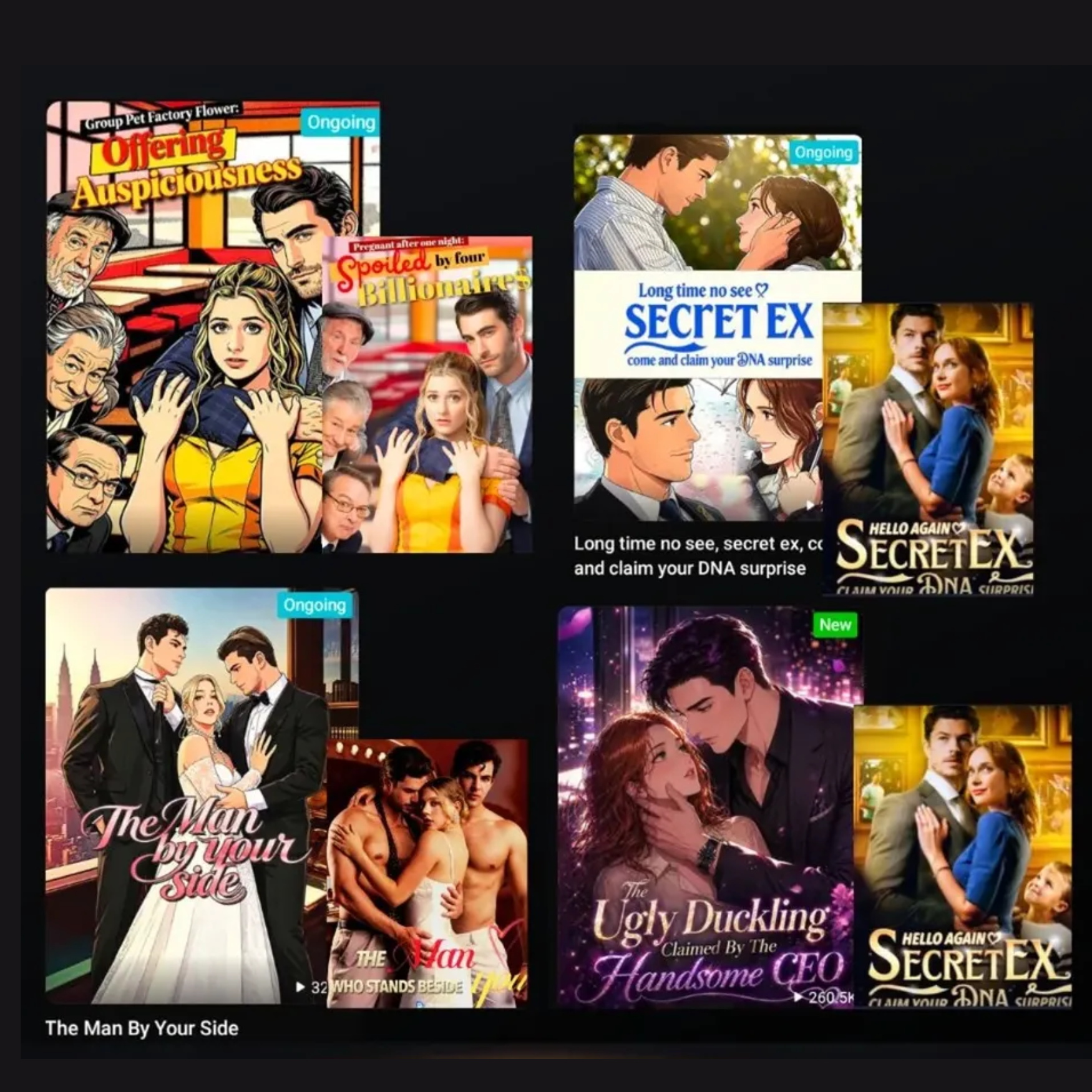
AI remakes on iDrama
AI Remakes and AI Cartoons Are Already Happening in Vertical Dramas
This is not theoretical anymore. It is already happening across the industry.
As covered recently by Vertical Drama Love, multiple apps are now experimenting with AI-generated remakes, animated versions of live-action shows, and AI-altered content.
One example involved iDrama reportedly releasing animated/cartoon versions of existing live-action shows, using creatives’ likenesses, voices, and even distinctive personal features like tattoos.
And this is where things start getting messy.
Because a lot of platforms own the IP (intellectual property) to the stories themselves. That means, in many cases, they potentially can remake or adapt content however they choose depending on the contracts involved.
But that does not automatically mean the people involved in the original production are benefiting.
In vertical dramas, performers and creatives generally do not receive residuals or royalties. There is usually no further payment after the initial contract, even if a project continues making money for years afterwards.
And now AI is adding a whole extra layer of complexity onto an industry that already has major unanswered questions around rights, ownership, and fair compensation.

AI remakes on Flareflow and Dramabox
AI Is Creating More Work, Not Less
One of the most frustrating things about all this is that AI is constantly sold as something that will “streamline” workflows and make life easier.
But for many creatives, it is doing the exact opposite.
Instead of spending time creating, people are now having to spend hours:
checking contracts
asking legal questions
documenting concerns
monitoring unauthorised AI usage
seeking advice
reporting AI-generated content
and trying to protect their likeness, voice, or work.
That is not innovation. That is admin. And emotional exhaustion.
The Bigger Problem: Short-Term Thinking
What frustrates me most is the lack of long-term thinking.
Where is the conversation about building a sustainable industry?
Where is the care for creativity?
Where is the investment in people?
Instead, so much of this feels driven by chasing quick profits as cheaply as possible.
No concern about burnout.
No concern about audience trust.
No concern about whether flooding platforms with poor-quality AI content actually damages the long-term future of vertical dramas.
Because audiences are noticing. I have now had multiple messages from fans saying they are becoming so fed up with the constant onslaught of AI content that they are cancelling subscriptions altogether. That should concern everyone.
Why AI Content Labelling Matters
One of the most basic fixes here is transparency. If something is AI-generated, label it clearly. That is it. That should not be controversial.
ReelShort have at least started labelling AI-generated content within the app, allowing audiences to make informed choices about what they are clicking on.
All apps should be doing the same. Because right now, many fans genuinely cannot tell what is AI and what is human-made anymore, especially with AI-generated posters and altered promotional images becoming so common.
And audiences deserve honesty.
Fans Are Fighting Back Against AI Spam and Sexualised AI Ads
There is also increasing frustration around the flood of sexualised AI-generated ads circulating online. One positive thing I will say is that the fan community has been incredible at flagging problematic content quickly. People are paying attention. People care. And fans are often the first to notice when something crosses a line. That matters.
Supporting Creatives in the AI Era
Look, there are far more positive things we should be focusing on in this industry.
How to tell better stories.
How to support performers.
How to create healthier working environments.
How to foster creativity and originality.
How to help vertical dramas grow into a sustainable, respected entertainment space long term.
Instead, so much energy is currently being diverted into dealing with AI nonsense that nobody asked for. But we battle on. And to creatives, performers, writers, crew, agents, managers, and everyone else trying to navigate all this:
We’ve got you. You can always reach out to me and I will do what I can.