
The Problem With Vertical Drama Titles
Clickbait marketing, industry credibility, and why actors are pushing back
Vertical drama has grown at extraordinary speed. What began as a niche mobile storytelling format has rapidly evolved into a global industry worth billions, creating work for actors, writers, directors and crews around the world.
But alongside that growth sits a persistent and increasingly controversial issue within the industry:
The Titles
Spend any time in the vertical drama ecosystem and you will quickly notice the pattern. A project may begin production with a relatively normal working title — only to appear on release with something far more sensational.
For example:
Love Always Finds Its Way became Irresistible Love With My Brother-in-Law
Call for a Billionaire Surrogate became After I Buy Sperm From a Billionaire
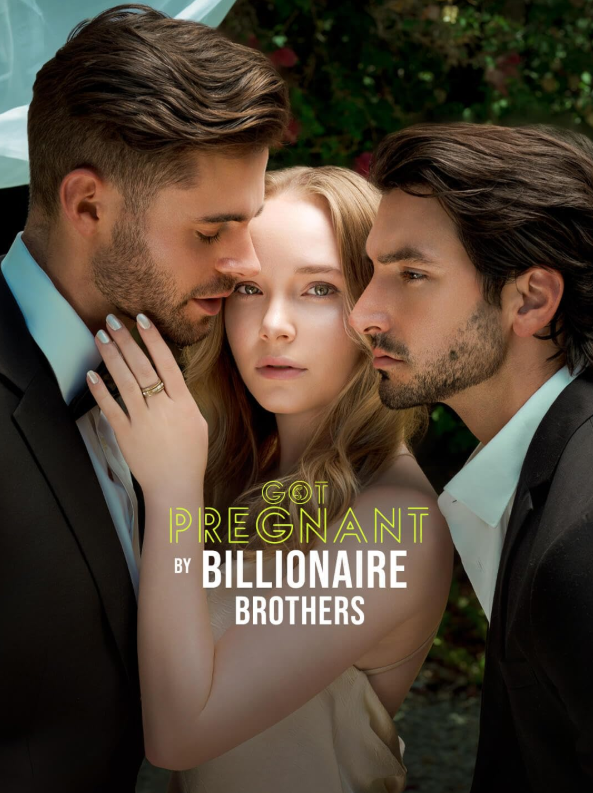
Devil’s Triangle became Got Pregnant By Billionaire Brothers
Other titles circulating across platforms include
Wrong Sperm, Right Love
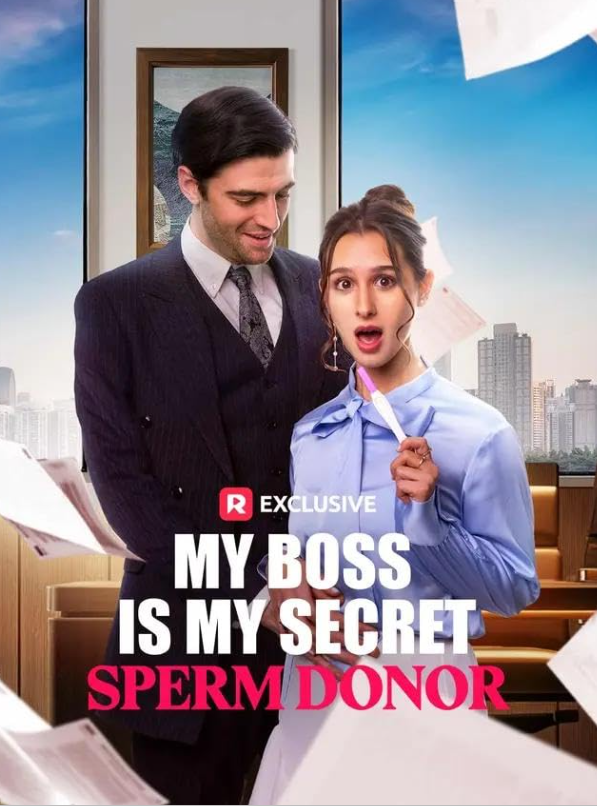
My Boss Is My Secret Sperm Donor
Turn the Mafia’s Virgin Wife On
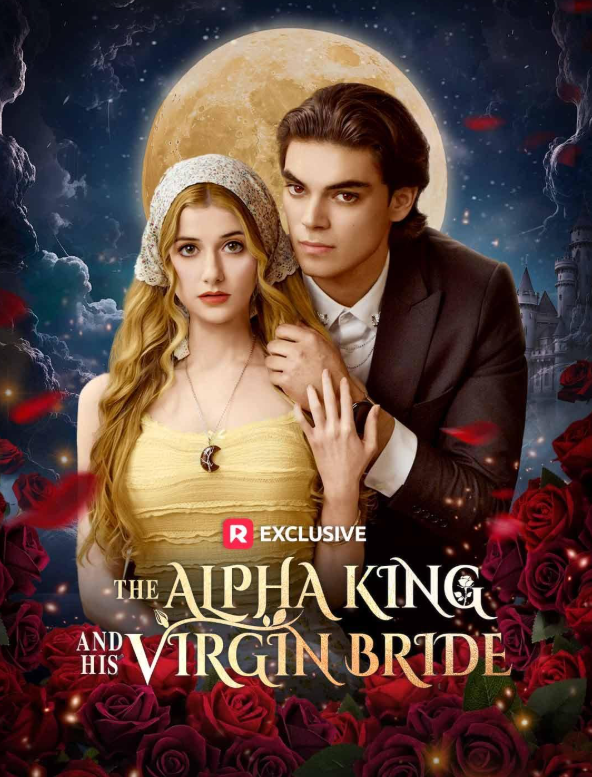
Two Alpha Kings, One Virgin Mate
Beach Volleyball Virgin
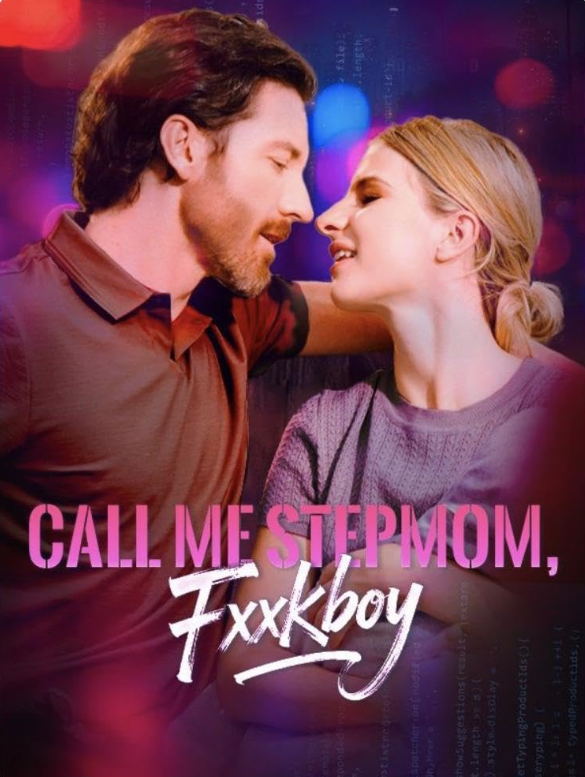
Call Me Stepmom, Fxxkboy
Some titles simply spell out the premise in blunt marketing language:
Hot Gardener’s Seduction
Rescued by the Rugged Mountain Man
Left My Cheating Ex and Became a Billionaire
Others push even further into shock-value territory:
My Boyfriend Gave My Virginity to His Bro
When My Ex Becomes My Gynecologist
Sex Education With My Enemy Stepbrother
Sleeping With My Fake Sister
These titles are rarely chosen by the writers or directors behind the story. Instead they are usually created during the marketing phase, where platform teams prioritise search engine optimisation, algorithm performance, and advertising click-through rates.
From a marketing perspective, the reasoning is simple:
Extreme titles grab attention
But is this strategy doing more harm than good?
Why Titles Matter
At first glance, the issue may seem trivial. Titles have always been part of marketing.
But in vertical drama they have become something else entirely. In many cases titles are:
extremely long
deliberately provocative
explicitly sexualised
designed to summarise the entire plot in one sentence
While this may perform well in advertising algorithms, it also creates a problem for an industry that is still fighting to be taken seriously.
Vertical drama already faces scepticism from parts of the traditional film and television world. Critics often dismiss the format as low quality or exploitative.
When potential viewers or industry observers encounter titles that sound more like internet clickbait than professional productions, it reinforces those assumptions.
In other words, the titles risk serving criticism on a plate.
Fans Often Don’t Care About the Titles
Interestingly, many fans say the titles are not what draw them to a show. They watch because of the actors, the creators, or the storytelling.
One viewer explained:
“The crazy titles actually make me not want to watch it. If a story is good, it shouldn’t need a crazy title.”
Another admitted they only watched one show because of the cast:
“The title alone would have made me skip it.”
Certain words — particularly anatomical references or repeated use of terms like “virgin” — are commonly cited as immediate turn-offs.
Even fans who enjoy the genre acknowledge that the titles can make it harder to recommend vertical dramas to friends or colleagues who are unfamiliar with the format.
As one fan put it, outsiders sometimes assume viewers must be “stupid” for watching content with titles like these.
Yet many fans insist the opposite is true: they continue watching because the stories and actors are good, despite the titles.
The Confusion Problem
Another practical issue is that titles frequently change.
Vertical dramas often move between platforms or territories, and each release may come with a different name. Fans regularly encounter the same show under multiple titles across different apps.
This makes it difficult to:
track what they have already watched
locate a show on IMDb
discuss series with other fans
determine which version of a show is legitimate
One viewer described the situation as:
“Turning my watch list into a choose-your-own-adventure novel.”
In an industry that already struggles with fragmented data and discoverability, this practice only adds further confusion.
When Titles Cross a Line
In some cases, the issue goes beyond embarrassment or confusion. Fans have also raised concerns about titles that appear offensive or insensitive.
One viewer described being deeply upset by a title referring to a “crippled husband,” explaining that as a disabled person who had previously needed mobility aids they found it humiliating.
Others say titles focusing on body shaming or extreme humiliation storylines can discourage them from watching altogether.
Actors Are Trying to Push Back
Behind the scenes, actors and actresses have increasingly been trying to navigate — and in some cases challenge — the issue.
Some have begun requesting clauses in their contracts intended to protect them from misleading or inappropriate marketing. These clauses may state that the final title should not be overly sexualised or misrepresent the tone of the production.
However, even when such clauses exist, problems can still arise.
One actor whose show was released under the title When My Ex Becomes My Gynecologist says the final title directly contradicted both the tone of the project and the protections included in their contract.
Their agreement stated that production would:
“make reasonable efforts to ensure that the title and promotional materials are not misleading, overly sexualize, or inconsistent with the general PG tone of the production.”
The project had originally been titled The Healing Touch, a much more neutral name.
Instead, the final release appeared with the title When My Ex Becomes My Gynecologist and the subtitle “Every Inch of You Is Mine.”
The show went on to sit at number one on the platform for multiple weeks since release, generating significant revenue while requests to address the issue went unanswered. Contracts are not suggestions, they are legally binding obligations.
This illustrates a frustrating reality for many performers in the vertical drama space:
Even when actors try to protect themselves contractually, apps show a casual disregard for them.
When Child Actors Are Involved
The issue becomes even more sensitive when*child actors are part of a production. Several performers have raised concerns that titles added during marketing can become far more sexualised than the actual story.
One actress described this as particularly troubling:
“It is extremely shady — especially when children are involved in the story.”
Even if child actors are not involved in the more mature parts of a storyline, their names still appear in the credits of the final project.
That means a young performer’s early acting résumé could include titles that sound explicit or inappropriate. For parents, agents and casting directors, that creates a difficult situation.
Beyond marketing strategies and algorithm performance, the issue ultimately comes down to something much simpler:
Professional respect and basic human decency.
Performers, writers and crews invest significant time and effort into these productions.
Attaching deliberately provocative titles to that work — especially when they misrepresent the tone of the story — risks undermining both the project and the people behind it.
A Growing Industry Needs Higher Standards
Producers acknowledge that titles often go through a complex process involving multiple departments and marketing considerations.
And it is true that provocative titles can perform well in algorithm-driven advertising environments.
But as vertical drama matures into a global entertainment sector, the industry may need to ask whether short-term marketing tactics are worth the long-term reputational cost.
The encouraging thing is that many fans, actors and creators appear to agree on one point:
Great vertical dramas do not need ridiculous titles.
Audiences are often watching because of the actors they love, the story being told, or the community that has grown around the genre.
If vertical storytelling wants to be taken seriously by the wider entertainment world, it may need to start with something simple.
Respect the work.
Respect the audience.
And respect the people whose names appear in the credits.