
Behind the Scenes of Dash of Fire: How Jackson Tiller's Original Idea Became a Vertical Drama
At first glance, Dash of Fire has all the ingredients of a classic vertical drama. There's romance, rivalry, memorable villains and plenty of emotional twists, all set against the backdrop of a high-stakes cooking competition.
But looking behind the scenes, it's clear this wasn't a production where people simply turned up, learnt their lines and went home. From the original idea through to casting, filming and even character development, Dash of Fire became a genuinely collaborative project, with everyone involved helping shape the finished series.
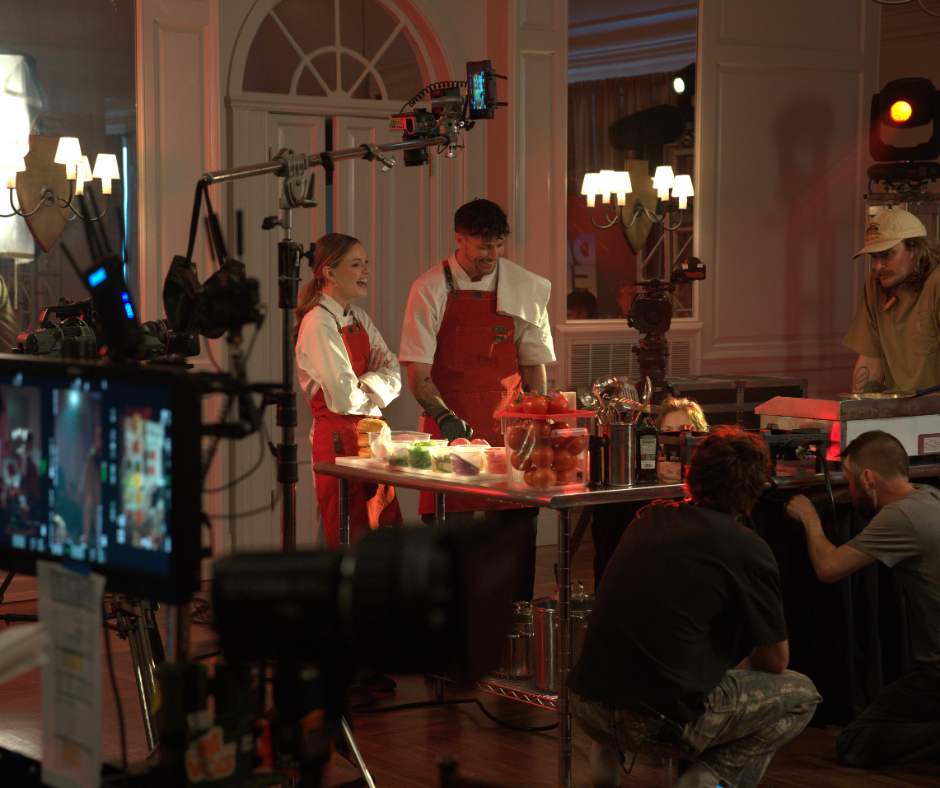
The story itself actually began with lead actor Jackson Tiller, who originally came up with the idea before it was developed into a screenplay by writers Mark Cotter and Joe Bilella. As the script evolved, so did many of the characters, with the writing team building on Jackson's original concept while creating richer storylines and giving several characters far more depth than audiences might expect from a typical vertical drama.
That sense of collaboration didn't stop once filming began.
Director Danny Farber encouraged the production to stay flexible, allowing ideas to grow as the cast came together. Auditions influenced rewrites, characters evolved and performances helped shape the final version of the series. Rather than treating the script as something fixed, the creative team were happy to keep refining it throughout production.
It also sounds as though the cast genuinely enjoyed working together.
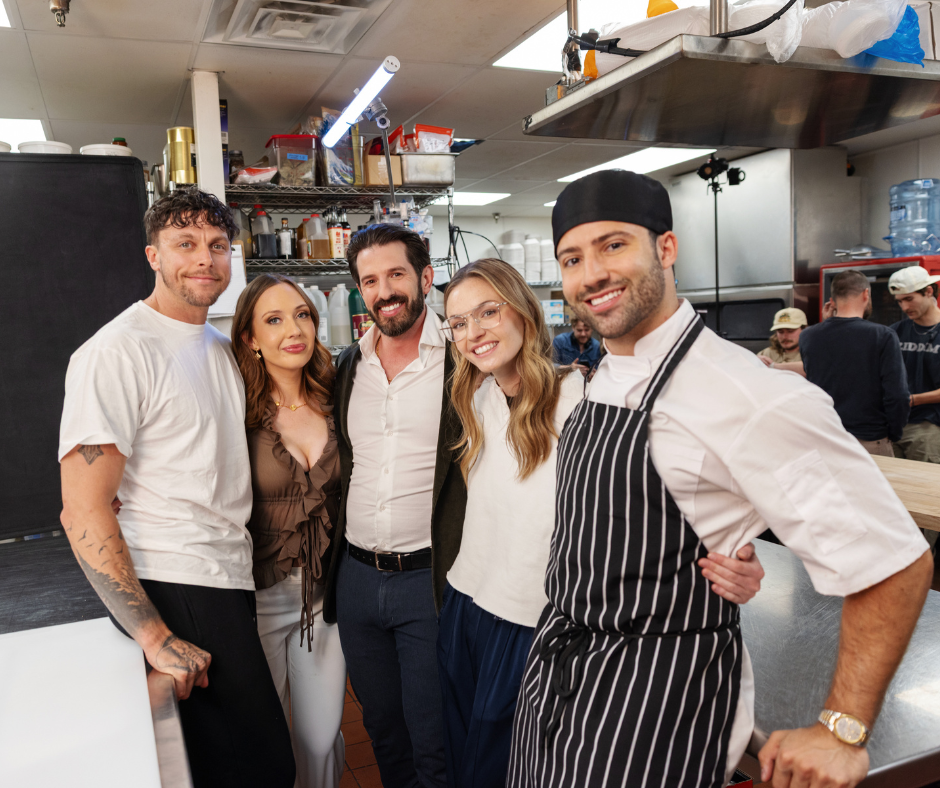
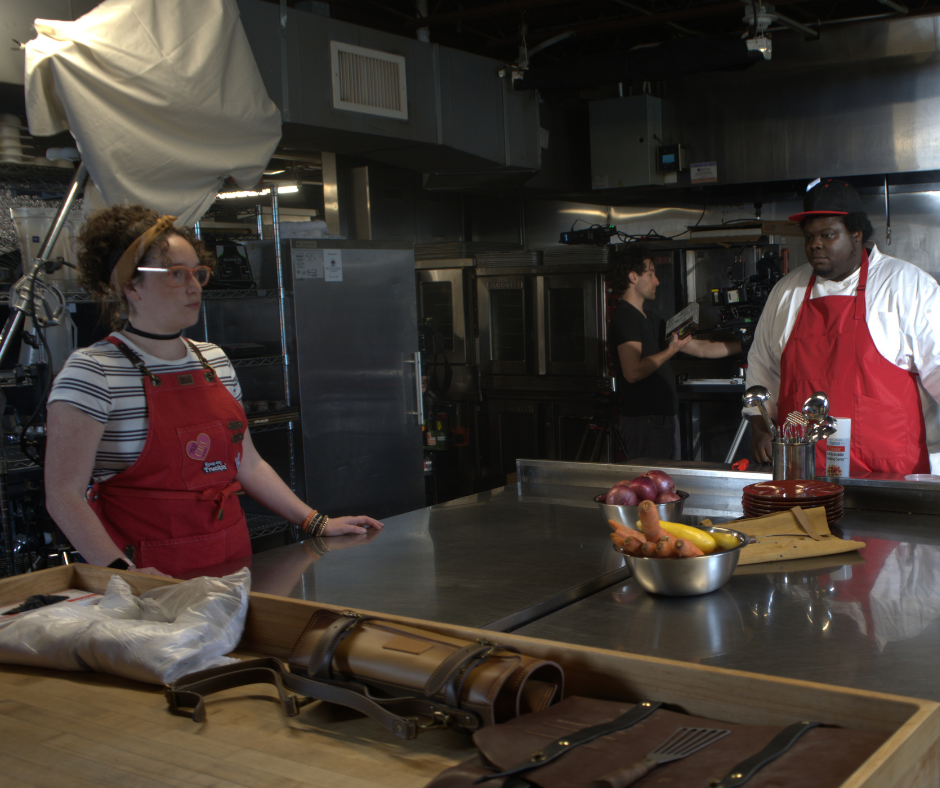
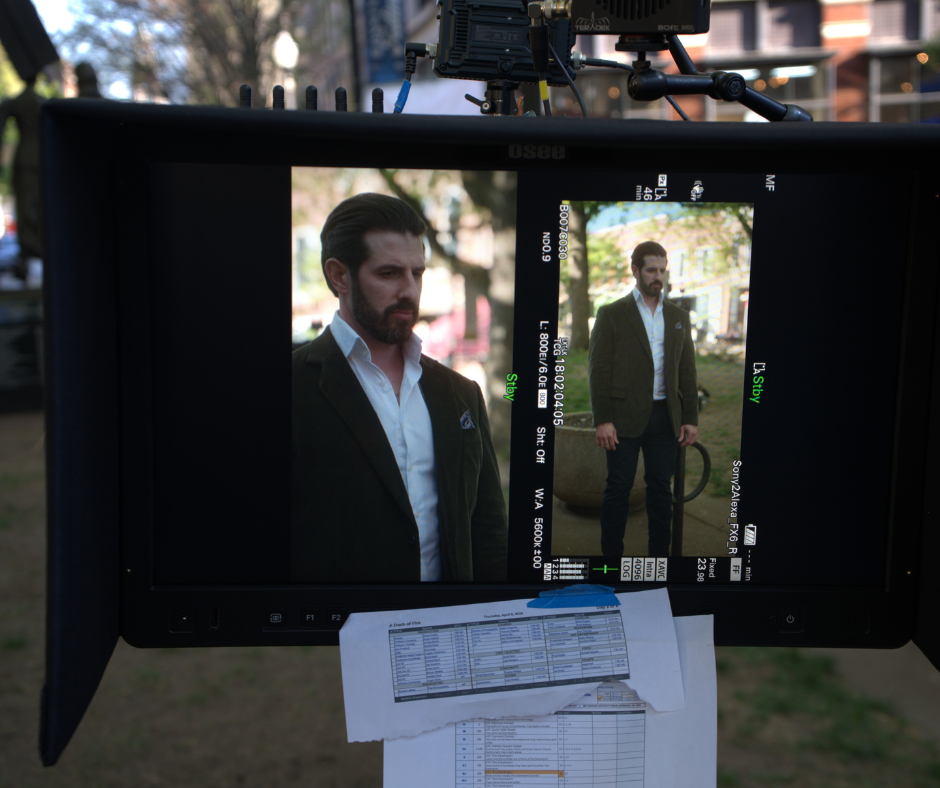
Alongside Jackson as Troy Davenport and Grace Swanson as Corrine, the series features Rebecca Berg as Elena Stewart and Antonio Andres Rosello as Hector, supported by Diana Jurand, Joshua Bryant, Ben Dawson, and Peter Aylward. More than once, the team singled out the supporting cast for helping create the world of Dash of Fire, with every role adding something memorable to the finished story.
One thing that really stands out is how much thought went into the characters.
Rather than trying to make every scene bigger and louder, Jackson and Grace wanted Troy and Corrine to feel believable, even when the story takes some of the dramatic turns that vertical fans know and love. That approach also gives the rest of the cast room to embrace the larger personalities and more theatrical moments without the series ever losing its emotional centre.
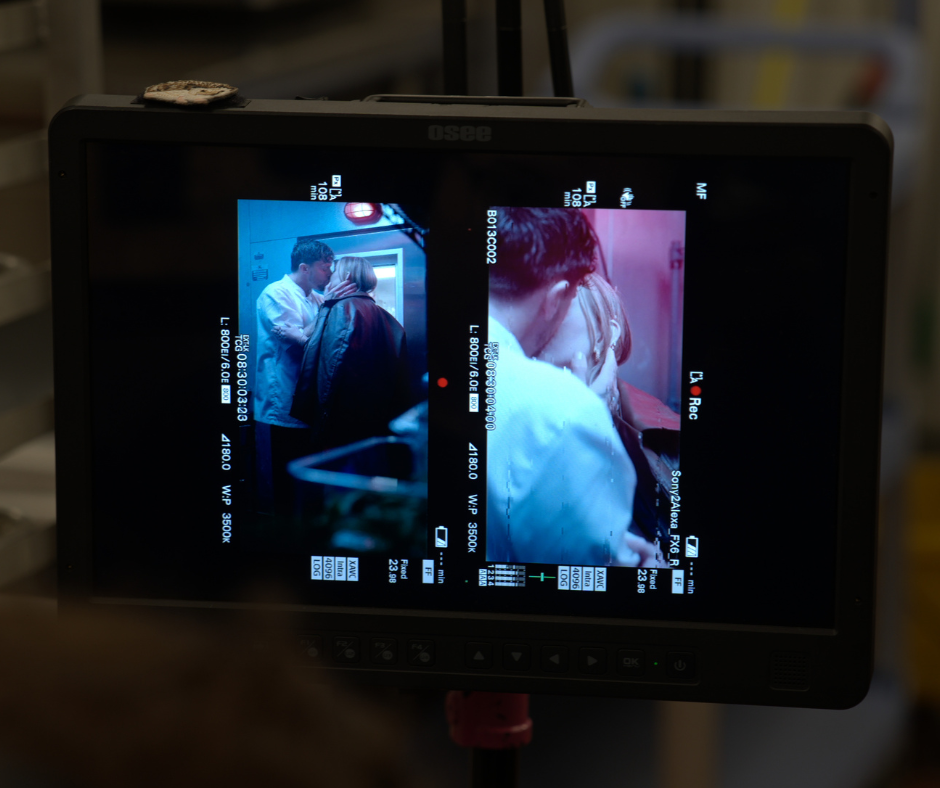
The same thinking runs through the story itself.
There are still rivalries, betrayals and villains, but few of the characters are completely one-dimensional. Instead, Dash of Fire makes room for redemption, allowing audiences to understand why characters make the choices they do rather than simply casting them as heroes or villains. It's a subtle difference, but one that gives the series its own identity.
That was particularly important for Antonio's character, Hector. Rather than becoming another straightforward antagonist, Hector is given a meaningful redemption arc while also celebrating his Latino heritage, adding another layer to the story and helping broaden the range of characters seen in vertical dramas.
Of course, not everything behind the scenes was quite so serious.
Antonio decided to take cooking lessons before filming so he would look convincing in the kitchen. Ironically, his first cooking scene involved chopping an onion... and he immediately cut his thumb. Grace admitted she'd done no preparation at all when it came to cooking and somehow managed to avoid any kitchen injuries.
Then there were the burgers.
What should have been a fairly simple cooking scene somehow became one of the running jokes of the production after more than one burger ended up flying across the set towards Jackson. It also sparked a surprisingly passionate debate about the correct way to build a cheeseburger - something I’m sure you will have opinions on too.
Filming in real restaurants created plenty of unexpected moments as well.
With Jackson dressed in full chef's whites, customers genuinely thanked him for meals they thought he'd cooked, while diners occasionally found themselves watching scenes being filmed just a few feet away. It's one of those behind-the-scenes stories that perfectly captures the slightly unpredictable nature of location filming.
The production also made the most of its Tennessee setting. Filmed in Knoxville, the team clearly wanted the city to feel like more than just another location, giving local businesses and the community a chance to shine while showcasing what the area has to offer as a filming destination.
A lot of credit also goes to Rivr Media, making its first move into the world of vertical dramas. Although many of the crew were new to the format, the cast repeatedly praised the atmosphere on set, highlighting everything from the production support and wardrobe team to the wider crew. It sounds like the kind of environment where people felt comfortable sharing ideas, trying new things and enjoying the process of making the series together.
Perhaps that's what comes across most clearly when you look at how Dash of Fire came together.
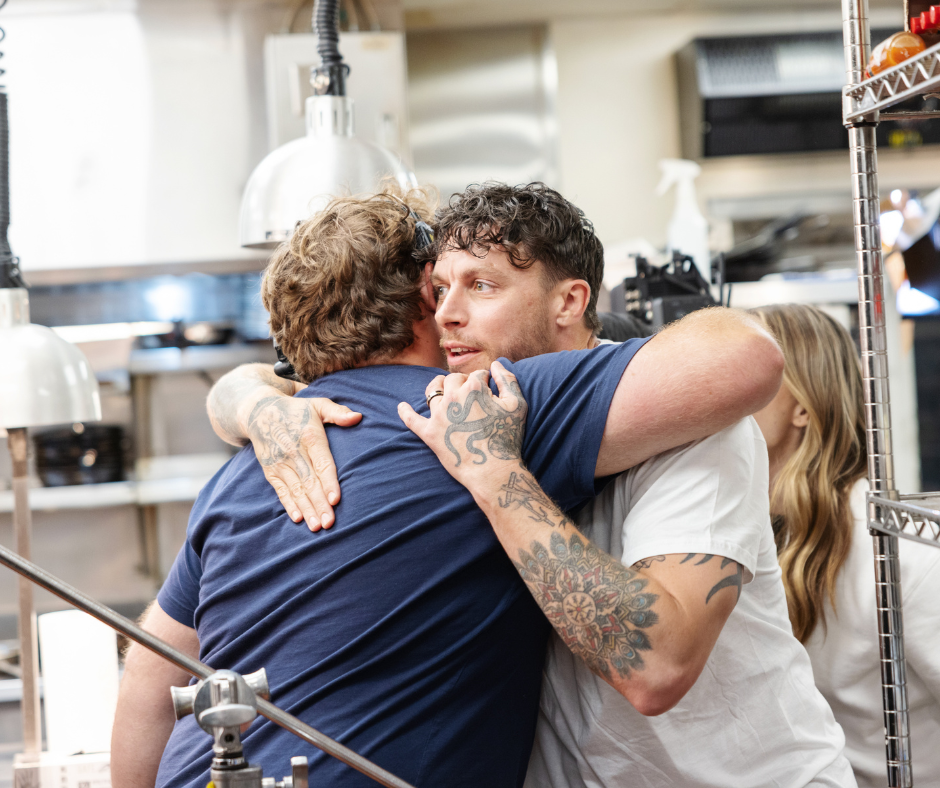
It started with Jackson Tiller's original idea, but by the time filming wrapped it had become something much bigger than that. Writers Mark Cotter and Joe Bilella expanded the story, Danny Farber helped shape it on set, Rivr Media brought the production together, and a cast that clearly enjoyed working alongside one another added plenty of personality, humour and heart along the way.
Watching Dash of Fire, it's easy to focus on the romance, the rivalry and, of course, the food. What you don't necessarily see is everything that happened before the cameras rolled – the evolving script, the cooking lessons, the casting decisions, the flying burgers and the creative conversations that helped shape the series.
With the series now available, it's fun to look back at the journey that brought it to the screen—and to appreciate the cast, crew and creative team who helped make it happen.
Dash of Fire is now streaming on Shortical.